
As parents of college-bound high school students, you’re likely feeling a mix of excitement and concern about what lies ahead. The college experience is one of the most important and transformative stages in a young person’s life. However, with rising tuition costs and other associated expenses, navigating how to fund this journey can feel overwhelming. The staggering $1.75 trillion in student debt across the U.S. serves as a reminder of just how critical it is to plan effectively. The good news? With careful family budgeting and a solid understanding of financial aid—especially the FAFSA—your student’s college dreams can become an affordable reality.
At Pathfinders, we’ve helped families like yours save over $120 million over the past 15 years, and in this blog, we’ll share key strategies for managing the cost of college, so you can budget with confidence and minimize your family’s financial burden.
The Power of Family Budgeting
When it comes to preparing for college, it’s never too early to start budgeting as a family. College costs go beyond tuition—expenses like housing, meals, textbooks, and even dorm supplies quickly add up. Creating a family college savings plan is one of the most effective ways to reduce reliance on student loans.
Here are a few steps to kickstart the process:
- Set a College Savings Goal: Based on the schools your child is interested in, research the average tuition and related costs. This will give your family a target to work toward.
- Explore 529 Savings Plans: These tax-advantaged accounts are specifically designed to help families save for education, making them an excellent tool to build a college fund.
- Involve Your Student in the Process: Helping your child understand the importance of budgeting, saving, and avoiding unnecessary debt will prepare them to manage their finances responsibly when they’re in college.
Family budgeting may take time, but small, consistent contributions can make a big difference by the time your child is ready to start school.
Maximize Financial Aid with the FAFSA
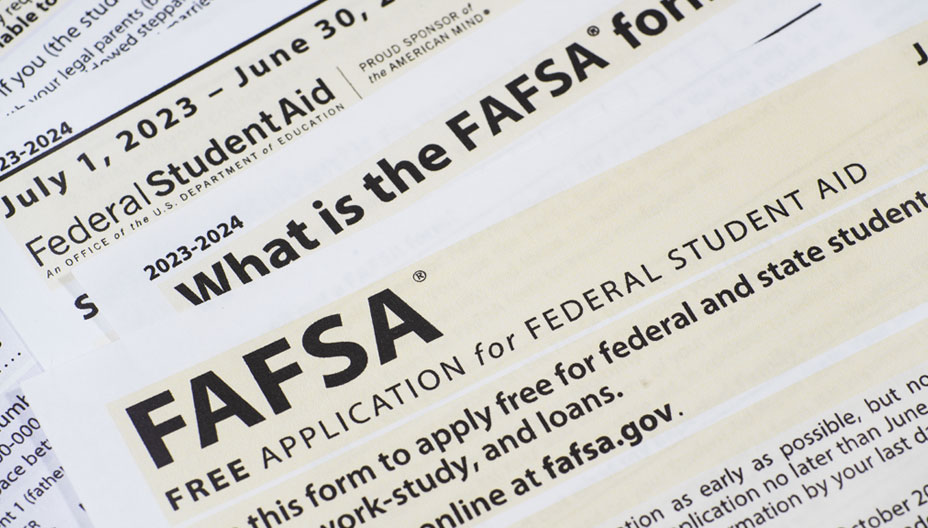
One of the most significant tools in the college affordability toolbox is the Free Application for Federal Student Aid (FAFSA). Filling out the FAFSA can open doors to grants, scholarships, work-study programs, and low-interest federal loans. However, the key to maximizing your aid is completing the FAFSA as early as possible.
Why is the FAFSA so important? Here’s what it offers:
- Grants: These are essentially “free money” awards that do not need to be repaid. Federal Pell Grants, for example, can provide thousands of dollars each year based on financial need.
- Scholarships: Many colleges use FAFSA data to award merit-based and need-based scholarships.
- Work-Study Programs: These allow students to earn money while attending school, often in jobs related to their field of study.
- Federal Student Loans: If loans are necessary, federal loans generally offer better interest rates and repayment options than private loans.
To stay ahead, make sure you gather necessary documents (tax returns, W-2 forms, etc.) and submit the FAFSA as soon as it opens each year—usually on October 1st. Early submissions increase your chances of securing more financial aid, as some funds are awarded on a first-come, first-served basis.
Unlock Opportunities Through Scholarships
Scholarships are another excellent way to reduce college costs, and the best part is, they don’t need to be repaid! Billions of dollars in scholarships are available every year, but to take full advantage, it’s important to encourage your student to apply to as many as possible.
- Start Local: Local businesses, civic groups, and even employers often offer scholarships to high school students in their communities.
- Leverage Online Scholarship Databases: Websites like Fastweb, Scholarship.com, and the College Board’s scholarship search tool are great resources for finding scholarships that match your student’s background, achievements, and interests.
- Don’t Forget Small Scholarships: While smaller scholarships may not seem as attractive, they add up quickly and can cover the cost of books or other fees.
Pathfinders has helped students secure millions of dollars in scholarships, and with a bit of effort and guidance, your family can find opportunities that reduce the financial burden of college.
Involve Your Student in Financial Planning
College is a significant investment, and it’s essential for your child to understand the financial responsibilities that come with it. Involving them in the budgeting and financial aid process helps build financial literacy and ensures they are prepared for the costs ahead.
- Teach them about managing personal expenses: Encourage your student to take ownership of their spending, whether it’s for textbooks, entertainment, or personal items. Setting a monthly budget can help them make smarter financial decisions.
- Discuss student loans and repayment: If student loans are necessary, explain how interest and repayment work. This helps them understand the long-term impact of borrowing and promotes responsible loan usage.
- Encourage part-time work: Many students find part-time jobs on campus or during breaks, which can help offset personal expenses and teach them time management skills. Even small contributions can make a difference in managing college costs
Conclusion: Take Control of College Costs with Pathfinders
Navigating college costs can be daunting, but with the right tools and knowledge, you can pave the way for a brighter financial future. By budgeting effectively, managing the FAFSA process, exploring scholarships, and encouraging your student to engage in meaningful activities, you can significantly reduce your family’s financial burden. At Pathfinders, we’ve helped families save over $120 million over the past 15 years, enabling them to focus on what truly matters—supporting their students on the journey to college success. Begin this journey today and watch your financial strategies transform your family’s college experience!