
As financial advisors and families plan for the next generation, a major shift is on the horizon: the proposed end of the federal Grad PLUS Loan program in 2026 under what lawmakers are calling the “Big Beautiful Bill.”
For years, Grad PLUS loans have quietly served as an unlimited backstop for graduate and professional students. Medical school. Law school. MBAs. Master’s degrees in education, public health, counseling to name a few.
That backstop is going away.
And this is not just a policy update. It’s a structural shift that will force families to rethink how graduate education is funded and whether every graduate degree still makes financial sense.
At Pathfinders College & Career Advisors, we have always said:
Start with the career. Then choose the education pathway and engineer the funding plan.
This legislation proves why.
What Is Changing?
The Grad PLUS program currently allows graduate and professional students to borrow up to the full cost of attendance (minus other aid), with no aggregate cap.
That has meant:
- Virtually unlimited borrowing
- Federal protections and income-driven repayment
- Easy access to six-figure loans
When the program ends in 2026:
- Students pursuing general graduate degrees will lose access to unlimited federal borrowing.
- Law and medical students will face stricter caps or must turn to private lending markets.
- Families will need stronger credit profiles and risk tolerance to finance advanced degrees.
The era of “just borrow what you need” is ending.
How This Impacts Students Seeking General Graduate Degrees
For students pursuing master’s degrees in:
- Education
- Social work
- Public health
- Communications
- Psychology
- Business (non-elite MBA programs)
This is a significant disruption.
Historically, many of these programs have low to moderate earnings outcomes, yet students could borrow $60,000–$120,000+ to complete them.
Without Grad PLUS:
- Federal borrowing may be capped below actual program cost.
- Students may need private loans (credit-based, higher interest rates).
- Income-driven repayment options may be more limited.
The Hard Truth
Some graduate degrees were only financially “possible” because federal lending had no meaningful ceiling.
Now the market will begin to price risk.
This will force families to ask:
- What is the real ROI of this degree?
- What will projected income look like?
- Is this credential necessary for the career outcome?
This is exactly the work we do upfront with families.
Impact on Law and Medical School Students
Law School
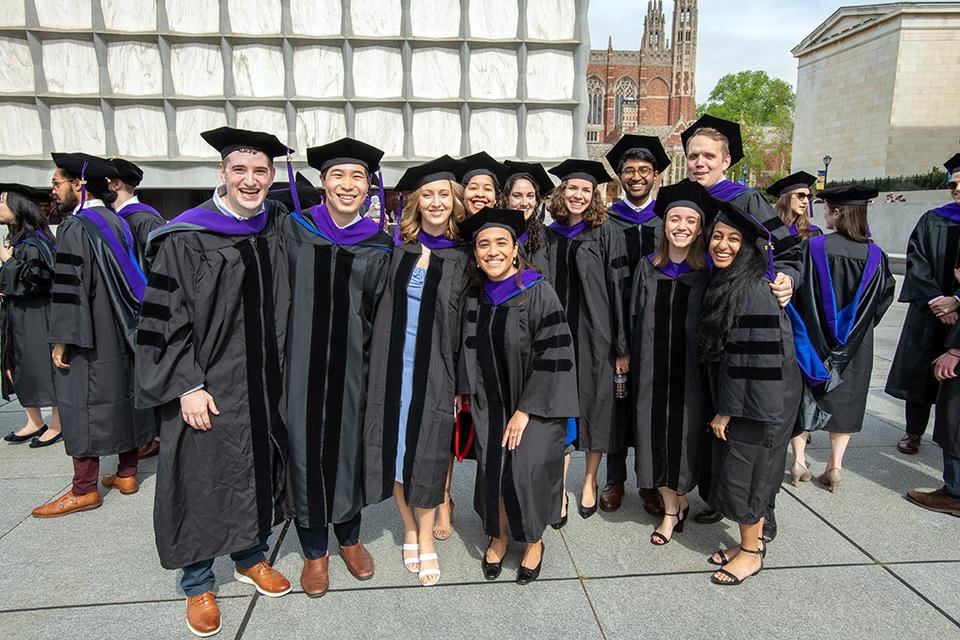
Law school tuition routinely exceeds $50,000 per year at private institutions. Total borrowing often reaches $200,000+.
Grad PLUS has made this manageable through:
- Federal access
- Public Service Loan Forgiveness
- Income-based repayment options
Without it:
- Students outside top-tier programs may face tighter funding.
- Private loans will require strong co-signers.
- Risk shifts from federal government to family balance sheets.
The legal job market is highly stratified. Not all graduates earn Big Law salaries. The disappearance of Grad PLUS will expose that reality quickly.
Medical School
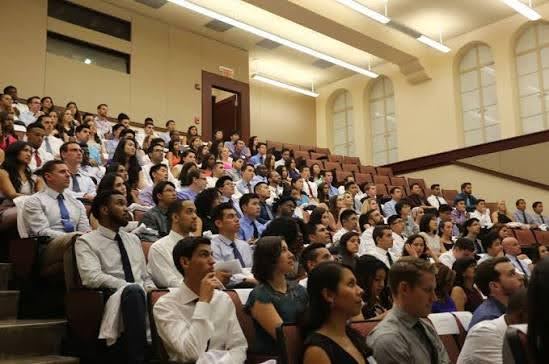
Medical education can exceed $300,000 in total cost.
While physician earnings are strong long-term, training takes:
- 4 years medical school
- 3–7 years residency
- Delayed high-income years
Grad PLUS has allowed students to bridge that long runway.
With its elimination:
- Private financing becomes more common.
- Families may need to collateralize assets.
- Schools may need to adjust tuition structures.
- Employer-sponsored pathways (hospital systems) may expand.
Medicine will still produce strong ROI but liquidity planning becomes far more complex.
What Alternatives Exist?
This is where strategy matters.
1. Employer-Sponsored Funding
More companies are expanding:
- Tuition reimbursement
- Graduate sponsorship programs
- Direct-pay partnerships with universities
Hospitals, large corporations, and even government agencies are increasing education benefits to attract and retain talent.
This creates a smarter path:
Work first. Let the employer subsidize the credential.
For many careers, this reduces borrowing dramatically.
2. Graduate Assistantships & Fellowships
Students should aggressively pursue:
- Research assistant roles
- Teaching assistantships
- Stipend-supported doctoral tracks
- Institutional grants
The availability varies widely by field. Again, career clarity determines whether this path is viable.
3. Private Loan Alternatives
Private lenders will step into the vacuum.
However:
- Rates are credit-based.
- No universal income-driven protections.
- Cosigners often required.
- Fewer forgiveness pathways.
Families must stress-test repayment under realistic salary projections, not the edge case salary scenarios.
Financial advisors will play a critical role here in modeling risk.
4. Rethinking the Timeline
Some students may need to:
- Delay graduate school
- Build savings first
- Gain work experience to clarify direction
- Strengthen their candidacy for funded programs
This is not a setback.
It’s strategic maturity.
The Bigger Issue: We’ve Been Starting in the Wrong Place
Most families ask:
“Where should my child go to graduate school?”
At Pathfinders, we ask:
“What career outcome are we engineering toward and what is the most efficient educational pathway to get there?”
The elimination of Grad PLUS exposes a systemic problem:
For too long, students have chosen degrees first and justified careers later.
That is backwards.
Why This Matters for Financial Advisors
Advisors now need to incorporate:
- Graduate borrowing cap scenarios
- Private loan underwriting realities
- Career income modeling
- Employer tuition benefits analysis
- Multi-child post-secondary planning stress tests
The average U.S. home already faces massive education exposure:
- $1.77 trillion in total student loan debt nationally
- 62% six-year graduation rate
- Average 6.2 years to complete undergraduate degrees
Graduate borrowing on top of inefficient undergraduate planning compounds risk.
That’s why our process starts earlier.
The Pathfinders Difference: Start With the End in Mind
We don’t start with schools.
We don’t start with majors.
We don’t start with rankings.
We start with:
- Career Path Identification
- Education pathway alignment
- Funding strategy design
- ROI modeling
- Decision & commitment
Our mission is simple:
- Minimize unnecessary borrowing
- Maximize scholarship and funding leverage
- Engineer strong career outcomes
- Protect family wealth
We’ve proudly helped families save over $130 million in education costs over 17 years.
Because when you choose the right path the first time, you avoid six-figure detours.
What Families Should Do Now
If you have:
- A high school student considering pre-law or pre-med
- A college student thinking about a master’s degree
- A recent graduate planning law or medical school
- Multiple children approaching post-secondary decisions
Now is the time to re-evaluate the strategy.
Before mid-year 2026.
Before borrowing rules tighten.
Before private lenders fully reprice risk.
Final Thought
The end of Grad PLUS is not just a funding shift.
It is a wake-up call.
Graduate education must be:
- Intentional
- Career-aligned
- Financially modeled
- Strategically funded
At Pathfinders College & Career Advisors, we believe education is an investment and not an emotional purchase. Every investment deserves a return.
To learn how we help families start with the career and build the right education and funding strategy around it, visit:
Because the smartest path forward isn’t just getting into school.
It’s launching into the right career with confidence and manageable debt.