
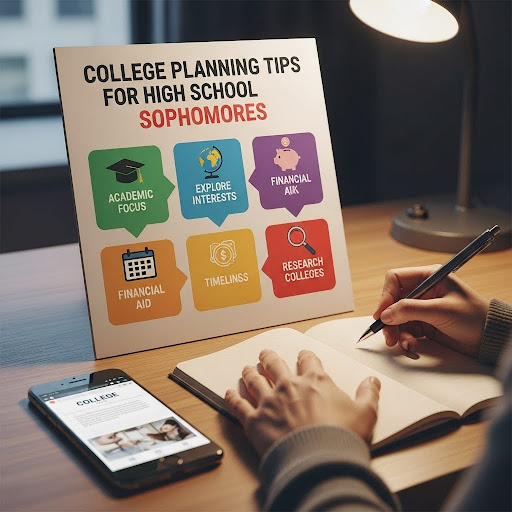
Sophomore year is a crucial time in your high school journey. It’s the perfect moment to start thinking seriously about college without feeling overwhelmed. Many students think college planning starts in junior or senior year, but getting an early start gives you a huge advantage. Let’s explore practical college planning tips for high school sophomores that will set you up for success.
Why Start Planning Now?
Your sophomore year is the sweet spot for college planning. You’re not too early, and you’re definitely not too late. Starting now means you’ll have time to explore different options, build a strong academic record, and discover what truly interests you. Plus, you’ll feel less stressed when application season arrives.
Focus on Your Grades
Your sophomore year grades matter more than you might think. Colleges look at your entire high school transcript, and maintaining good grades now shows consistency and dedication. If your freshman year wasn’t perfect, don’t worry. Use sophomore year to show improvement and commitment.
Take challenging courses, but don’t overwhelm yourself. It’s better to get good grades in regular classes than struggle in advanced courses you’re not ready for. Talk to your teachers and counselors about which classes make sense for your goals and abilities.
Explore Your Interests
Now is the time to try new things. Join clubs, play sports, volunteer, or pick up a new hobby. Colleges want to see students who are passionate and engaged, not just good test-takers. You don’t need to join every club at school. Instead, focus on activities that genuinely interest you.
Think about what makes you excited. Do you love writing? Join the school newspaper. Interested in helping others? Look for volunteer opportunities in your community. These experiences help you discover potential career paths and give you great stories to share in college applications later.
Build Relationships with Teachers
Get to know your teachers beyond classroom interactions. Participate in class discussions, ask thoughtful questions, and visit during office hours when you need help. These relationships matter because you’ll need recommendation letters in a couple of years. Teachers who know you well can write powerful letters that showcase your strengths.

Start Thinking About Standardized Tests
While you probably won’t take the SAT or ACT until junior year, sophomore year is perfect for preparation. Consider taking the PSAT in the fall. It’s great practice and helps you understand what areas need improvement. You can also start familiarizing yourself with test formats and content.
Many free resources are available online to help you prepare. Spending just 15-20 minutes a few times a week can make a big difference. Don’t stress too much about scores right now. Focus on building your skills gradually.
Research Different Colleges
You don’t need to create a final college list yet, but start exploring what’s out there. Look at different types of schools: large universities, small colleges, public schools, and private institutions. Each offers different experiences and opportunities.
Visit college websites, take virtual tours, or attend college fairs. If possible, visit campuses near you. Even if you don’t apply to these schools later, campus visits help you understand what you’re looking for in a college environment.
Think About Finances Early
College is expensive, and understanding costs early helps families plan better. Talk to your parents about college savings and financial expectations. Research scholarship opportunities and financial aid basics. Some scholarships are available for high school students right now.
Learning about financial aid might seem boring, but it’s incredibly important. Understanding how college funding works helps you and your family make informed decisions later.
Meet with Your School Counselor
Your school counselor is an invaluable resource. Schedule a meeting to discuss your academic plans, college goals, and any concerns you have. Counselors can help you choose appropriate classes, suggest extracurricular activities, and provide guidance throughout the college planning process.
Don’t wait for your counselor to reach out. Be proactive and build this relationship early. Regular check-ins ensure you’re on track and help address any issues quickly.
Develop Good Study Habits
Strong study habits benefit you now and in college. Learn effective time management, create organized study spaces, and discover which learning methods work best for you. These skills will serve you throughout your academic career.
Experiment with different techniques: flashcards, study groups, practice tests, or teaching concepts to others. Find what helps you learn and retain information most effectively.
Stay Balanced
While planning for college is important, don’t forget to enjoy high school. Spend time with friends, pursue hobbies, and take care of your mental and physical health. Colleges want well-rounded students who can handle stress and maintain balance in their lives.
Remember, the goal isn’t perfection. It’s progress. Small, consistent steps forward matter more than trying to do everything at once.
Frequently Asked Questions
1. When should I start seriously thinking about which colleges to apply to?
Most students begin creating their actual college list during junior year, but sophomore year is perfect for general exploration. Right now, focus on understanding what types of colleges exist and what factors matter to you like location, size, programs offered, and campus culture. You don’t need to name specific schools yet. Instead, think about what kind of college experience you want. This exploration phase helps you make better decisions when it’s time to apply.
2. How many extracurricular activities should I be involved in?
Quality matters more than quantity. Colleges prefer seeing depth and commitment in a few activities rather than shallow involvement in many. Aim for 2-4 activities that genuinely interest you. It’s better to dedicate yourself to things you care about and potentially take on leadership roles than to join every club just to fill space on an application. Choose activities that align with your interests and allow you to make meaningful contributions.
3. Do I need to know what I want to study in college already?
Absolutely not! Most students don’t know their exact major as sophomores, and that’s completely normal. Many college students change their majors multiple times. Right now, focus on exploring different subjects and interests. Take diverse classes, try new activities, and pay attention to what excites you. This exploration helps you make informed decisions later without limiting your options now.
4. How important are my sophomore year grades for college admissions?
Your sophomore year grades are very important. Colleges look at your entire high school transcript, and sophomore year shows your academic trajectory. Strong grades demonstrate consistency and readiness for college-level work. If you struggled freshman year, sophomore year is your chance to show improvement. Focus on doing your best and seeking help when needed. An upward trend in grades can actually work in your favor.
5. Should I take summer classes or programs?
Summer programs can be valuable but aren’t necessary for college admission. If you’re interested in a specific subject or want to explore a potential career, summer courses or camps can provide great experiences. However, working a summer job, volunteering, or pursuing personal projects are equally valuable. Choose summer activities based on your interests and goals, not just what looks good on applications. Authentic experiences always matter more than resume padding.